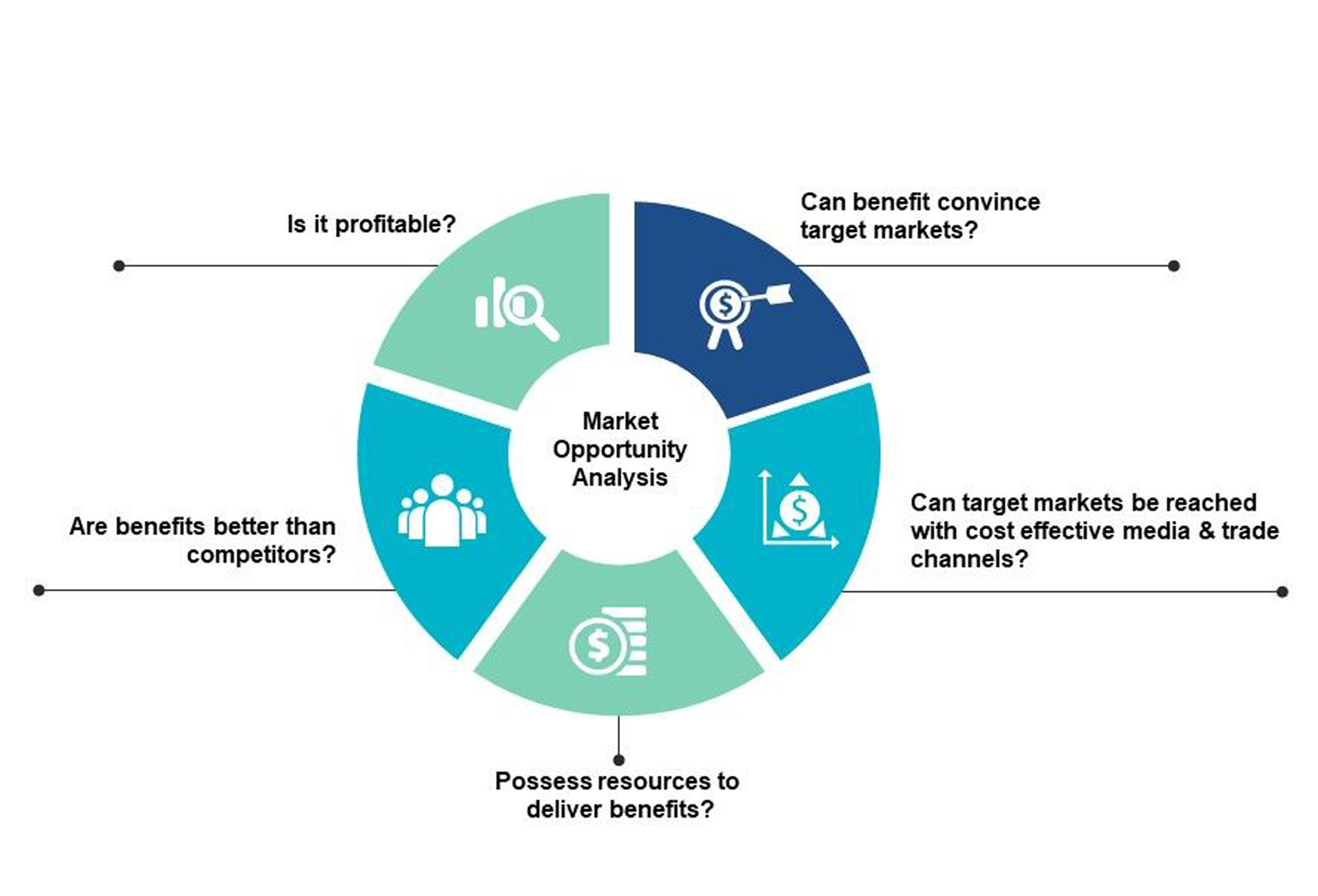
Financial institutions face a fundamental challenge when considering market expansion: how do you separate genuine opportunity from expensive mistakes? The answer lies in rigorous market opportunity assessment techniques—a structured approach that replaces intuition with quantitative intelligence.
The difference between successful market entry and costly failure often comes down to the quality of your preliminary analysis. When you ground your decisions in data rather than assumptions, you dramatically improve your chances of identifying sectors where your institution can compete effectively and profitably.
Evaluating Market Size and Growth Potential
Understanding the true scale of an opportunity requires more than surface-level research. Start by calculating your Total Addressable Market (TAM)—the total revenue opportunity available if you achieved 100% market share. AI-driven data aggregation tools can help you gather and synthesize information from regulatory filings, industry reports, and demographic databases to build an accurate picture.
Pay particular attention to underserved demographics within the financial services landscape. These segments often represent your best entry points because competition remains limited and customer needs go unmet. Look for populations experiencing rapid income growth, geographic regions with improving infrastructure, or age cohorts entering new life stages that create financial service needs.
Growth potential matters as much as current market size. A smaller market expanding at 15% annually may offer better prospects than a larger market growing at 2%. Examine historical growth rates, but also consider forward-looking indicators like population trends, regulatory changes, and technological adoption patterns that signal future expansion.
Competitive Landscape and Risk Profiling
Your market opportunity assessment must account for the competitive reality you’ll face. Map existing players by market share, service offerings, pricing strategies, and customer satisfaction levels. This analysis reveals where competitors demonstrate strength and where vulnerabilities exist that your institution might exploit.
Regulatory considerations can make or break market entry decisions in financial services. Different jurisdictions impose varying capital requirements, licensing procedures, and compliance obligations. Factor these regulatory hurdles into your timeline and budget projections. A market may appear attractive until you account for the 18-month licensing process and £2 million in compliance infrastructure.
Stress testing and scenario modeling help you understand how your opportunity performs under different conditions. Run projections assuming economic downturn, increased competition, regulatory tightening, and technological disruption. If your business case only works under optimal conditions, you’re looking at speculation rather than strategy. Markets that remain viable across multiple scenarios deserve serious consideration.
Synthesizing Data for Strategic Decision Making
The final step transforms your research into actionable recommendations. Create a decision framework that weighs market size, growth trajectory, competitive intensity, regulatory complexity, and alignment with your institution’s capabilities. This framework should produce a clear verdict: pursue, monitor, or dismiss.
Your analysis should culminate in a specific action plan if you decide to proceed. This means defining your target customer segments, service offerings, pricing approach, distribution channels, and resource requirements. Vague recommendations like “explore the market further” waste the effort you’ve invested in assessment.
Market conditions shift constantly. Economic indicators change, competitors enter or exit, and regulations evolve. Build continuous monitoring into your approach so you can adapt your strategy as circumstances warrant. Quarterly reviews of key metrics allow you to spot trends early and adjust before small changes become major problems.
The institutions that succeed in new markets are those that combine rigorous upfront assessment with disciplined ongoing evaluation. When you ground your market entry decisions in data and maintain the flexibility to respond to new information, you position yourself to capitalise on genuine opportunities whilst avoiding costly missteps.